Rewri, Gajak and Chikki: What’s the Difference?
By PAHWA JEE
Rewri, Gajak and Chikki often share ingredients such as sesame, peanuts, sugar or jaggery. Their biggest differences are how they are shaped and the texture you get with each bite. Here is a quick guide to choosing among them.

Compare them at a glance
Rewri
- Shape
- Small, individual pieces
- Texture
- A crisp bite with sesame on the outside
- Choose it for
- Small portions to share or enjoy a few at a time
Gajak
- Shape
- Pieces, sheets or rolls, depending on the variety
- Texture
- Often flaky or layered; some varieties have a firmer bite
- Choose it for
- A layered sesame sweet with a crumbly texture
Chikki
- Shape
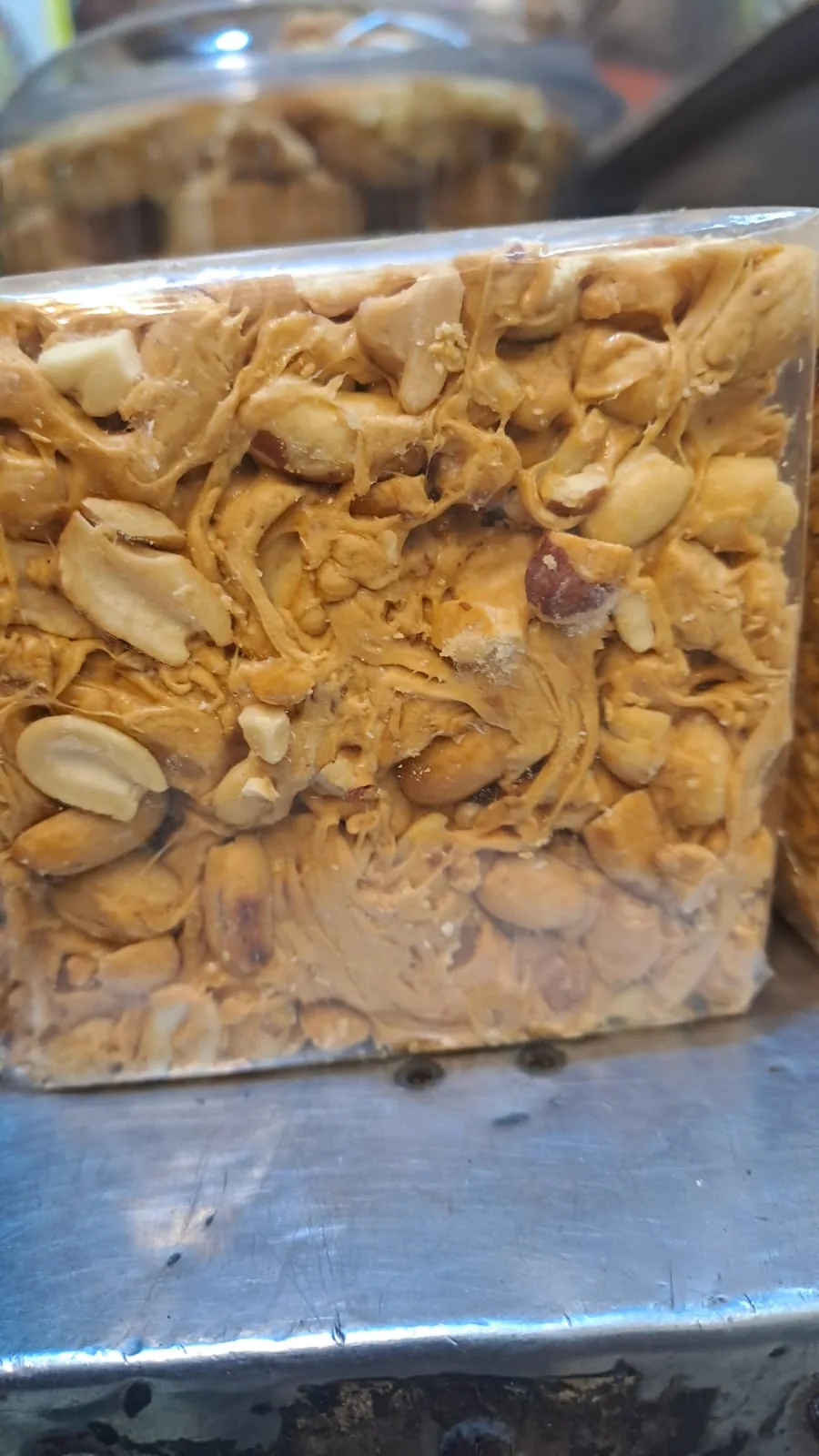
- A slab cut into pieces
- Texture
- A firm, brittle crunch with visible nuts or seeds
- Choose it for
- A pronounced peanut or sesame crunch
Ingredients vary by recipe
These names describe families of sweets, not one fixed recipe. Rewri commonly has a sesame coating; Gajak is often associated with sesame and layered preparation; Chikki can feature peanuts, sesame or other nuts. Sugar and jaggery versions both exist, so the name alone does not tell you which sweetener was used.
Check the description of the specific variety you choose. If ingredients or allergies matter to your order, ask the shop about that product before buying.
Choose by the texture you enjoy
For small, crisp bites, start with Rewri. For a flaky texture, look at Gajak varieties such as Dilkhush Gazak. If you enjoy a firmer crunch with visible peanuts, explore Roasted Peanut Chikki. A selection of different textures can also work well when sharing with family.
Buying Rewri and Gajak in Meerut
Browse Pahwajee’s collection before visiting the Abu Lane shop. Product pages show the listed options; contact the team to confirm the variety and pack you want, especially for seasonal purchases or gifts.